Lena Hunt PhD

Plant biologist and undergraduate research mentor.

Postdoctoral researcher, New York University

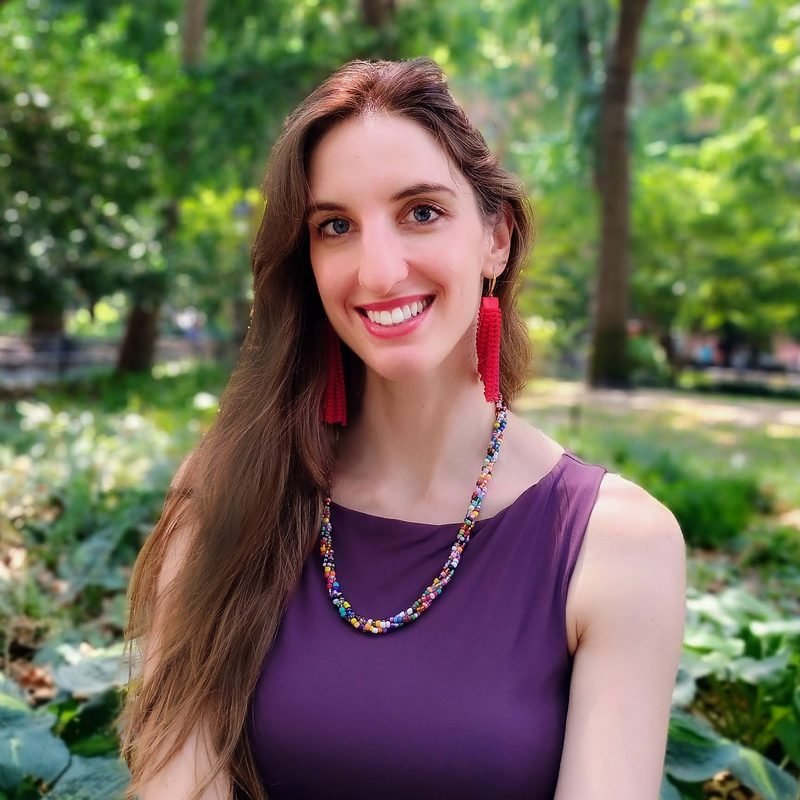
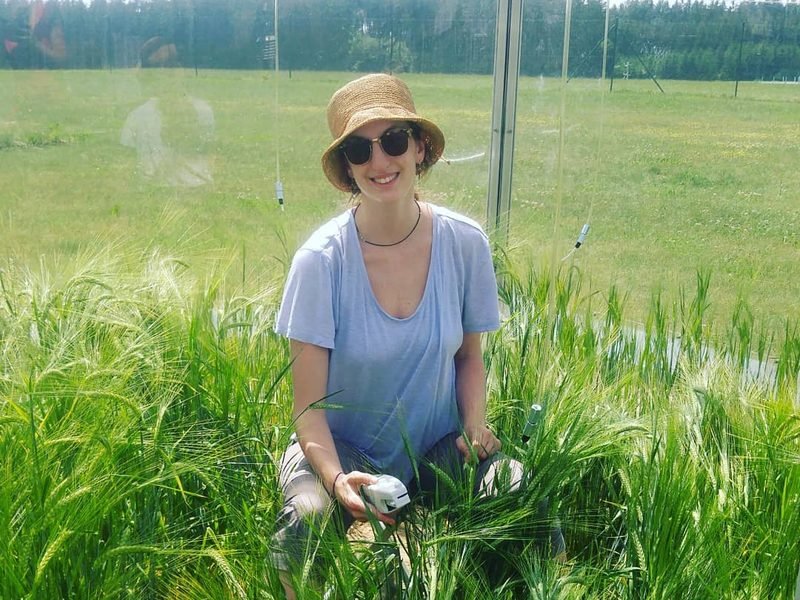
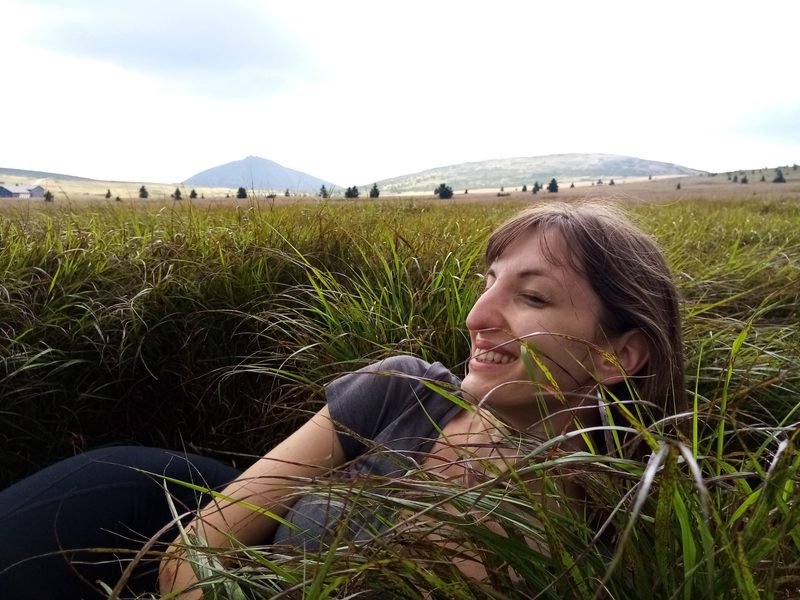
Lena Hunt smiling, seated in a green park

About

Background

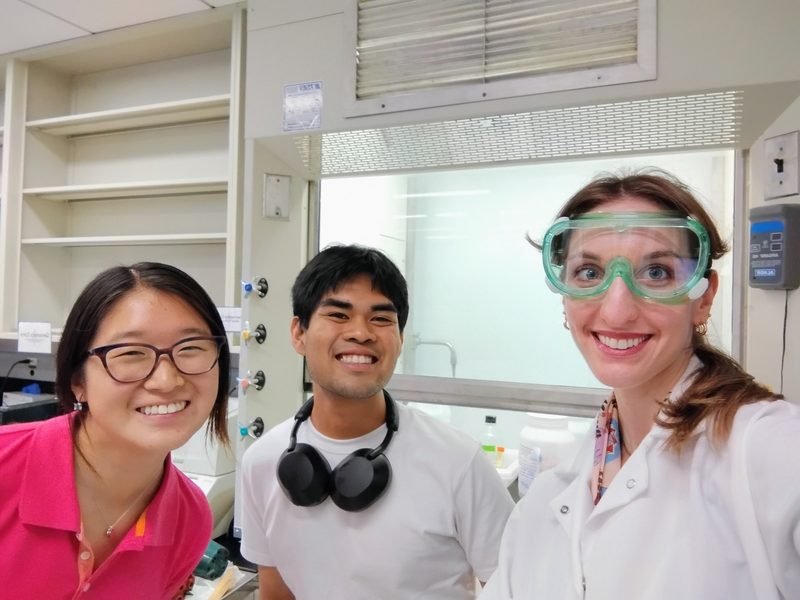
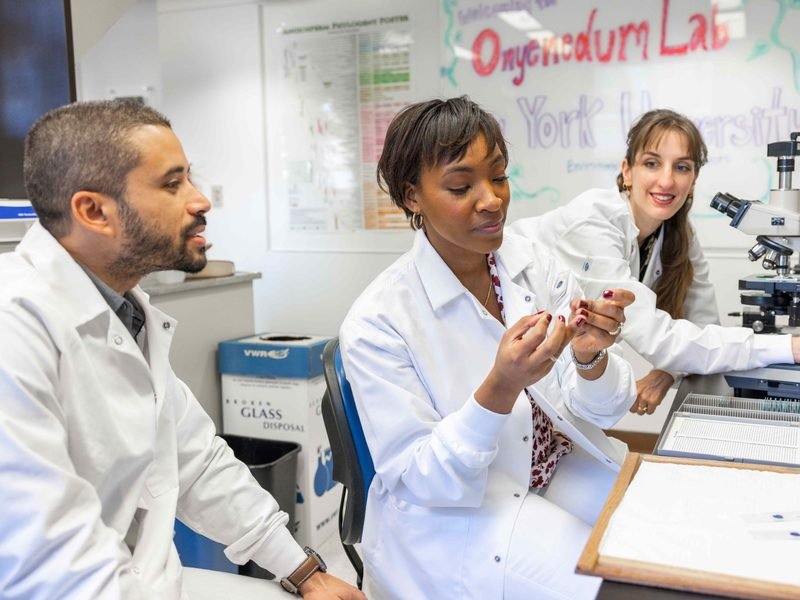
Dr. Lena Hunt is an experimental plant biologist working in the Onyenedum lab at NYU. Perpetually enthusiastic about any topic related to plants, her research has spanned topics including plant secondary metabolites, plant stress reponse, plant anatomy, RNAseq and differential gene expression analysis, cell wall remodeling, biomechanics of tropical lianas, and urban ecology of New York City. Her research has been presented at international conferences and published in peer-reviewed journals. Her work takes her into the field (alpine tundras in Europe, neotropical forests in North and Central America, and the streets of New York) as well as the lab bench in the laboratory. However, her greatest joy is sharing her love of and curiosity about plants with others. In her three years at NYU, she has mentored eight undergraduate research students through attaining grants and getting started in scientific reserach. Three of these students have become published scientific co-authors. In addition, she has given guest lectures at NYU, Charles University in Prague, and St. Joseph's University, as well as the New York Botanical Garden Seminar Series, and been an invited speaker for continuing education courses via the Cornell Cooperative Extension.

Download full CV (PDF)
Lena Hunt smiling in a green park
  • Ph.D., Experimental Plant Biology, cum laudeCharles University, Prague, 2023
  • M.S. Biology, cum laudeSaint Joseph’s University, 2016
  • B.A. Biology, magna cum laudeLoyola Marymount University, 2014
  • SocietiesBotanical Society of America, International Association of Wood Anatomists, Federation of European Societies of Plant Biology, New York Academy of Sciences

Research

Plants aren't doing much except sensing, responding to, and shaping the whole world.

NYC Street Trees Biodiversity Project

New York City’s urban forest holds about 7 million trees, and only 15 of its roughly 119 species make up over 75% of the canopy. This project asks: what makes a successful urban tree?

  • Published papers
  • In progress. Papers will be linked here.

Touch Project

The vining growth form is a unique way to be a plant. It required the plant to sense the external environment in order to climb it. The project asks, "How do plants sense touch?".

The work is carried out with undergraduate researchers and builds on our published XTH study.

Molecular Basis of Twining Project

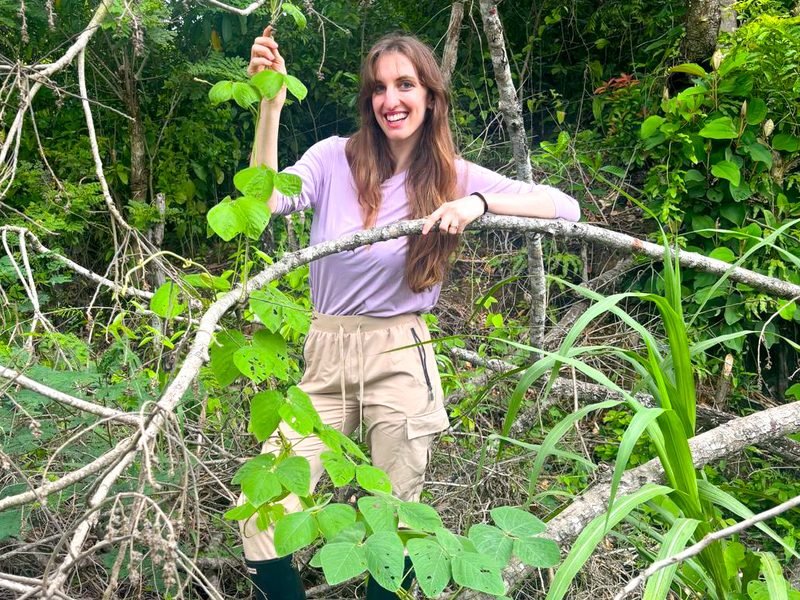
Climbing vines outsource structural support to their surroundings. Using common bean as a new experimental system, we showed that three traits define the climbing habit: stem elongation, circumnutational movement, and the development of Gelatinous fibers.

When we disrupted twining with hormone treatments and sequenced RNA, we found that XTH genes, key regulators of cell wall remodeling, were differentially expressed across these traits.

Liana Project

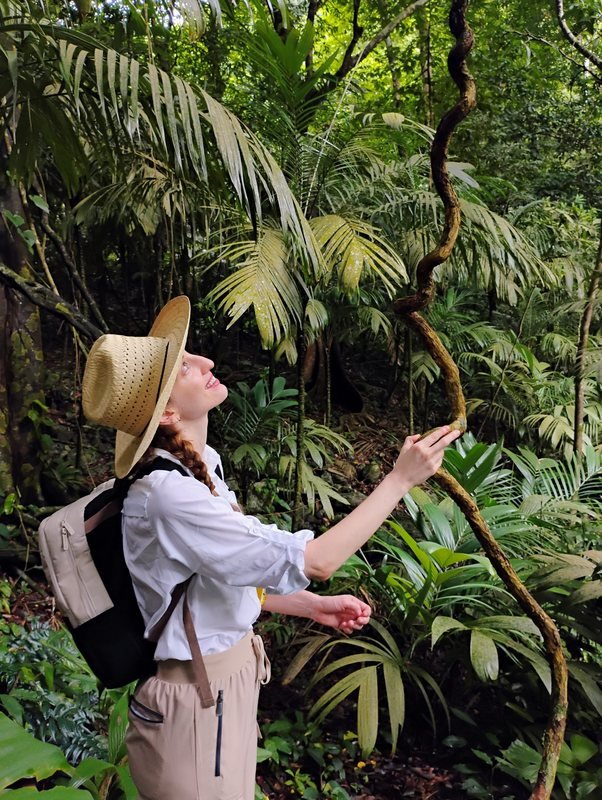
Woody lianas are among the most successful climbers in tropical forests. This project asks "what makes these plants so successful?"

  • Published papers
  • In preparation: Onyenedum J, Hunt L, Pace M. How woody lianas do the twist.

Alnus Anatomy Project

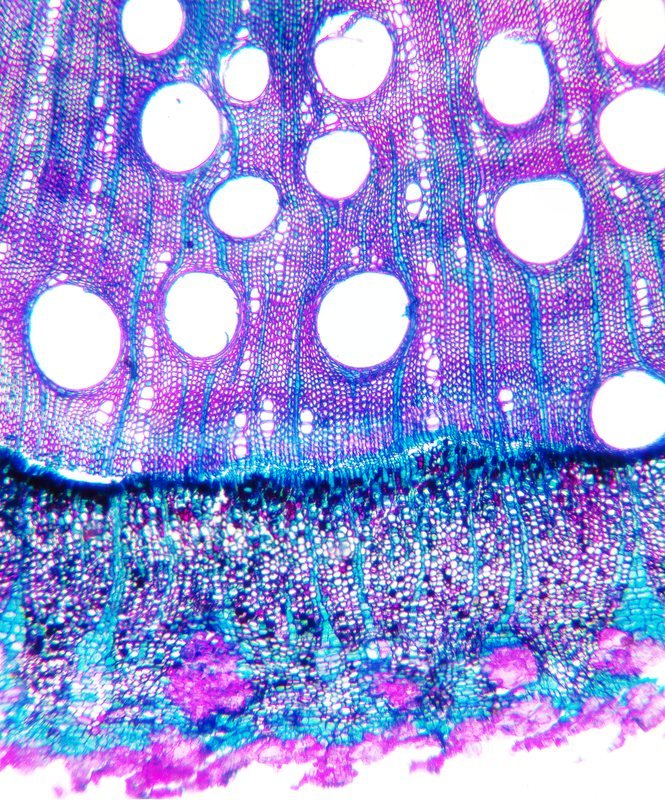
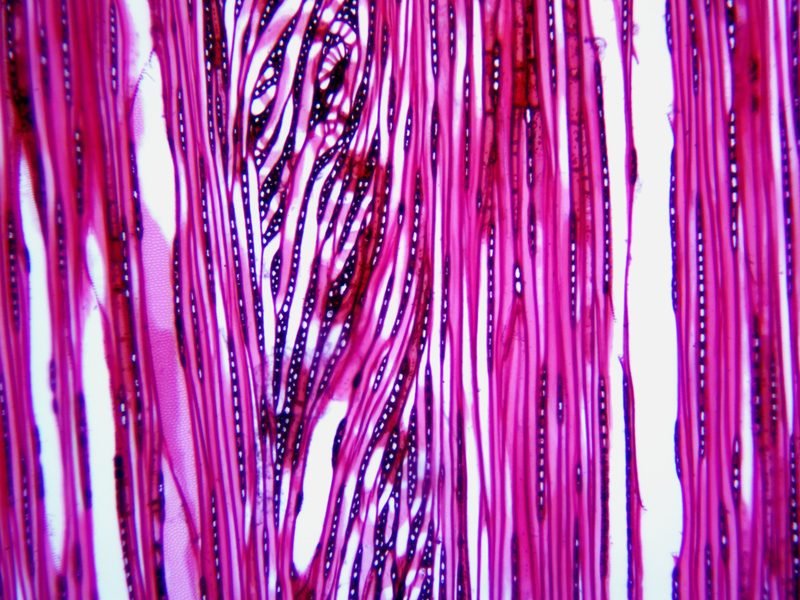
A comparative study of wood anatomy across the alder genus (Alnus, Betulaceae), documenting how wood traits vary among its trees and shrubs. Undergraduate researchers Kelly Ferguson and Eric Liu are co-authors.

PhD Research: Protective Benefits of Phenolic Compounds in Plants

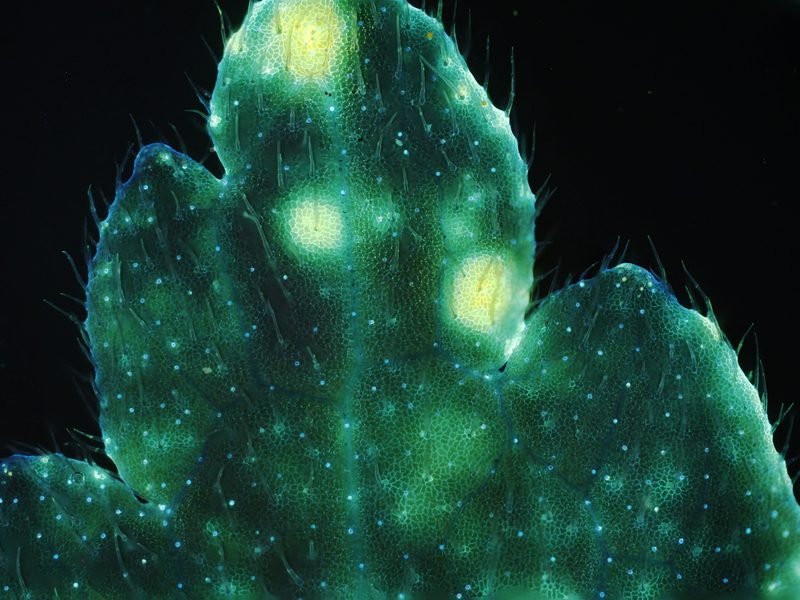
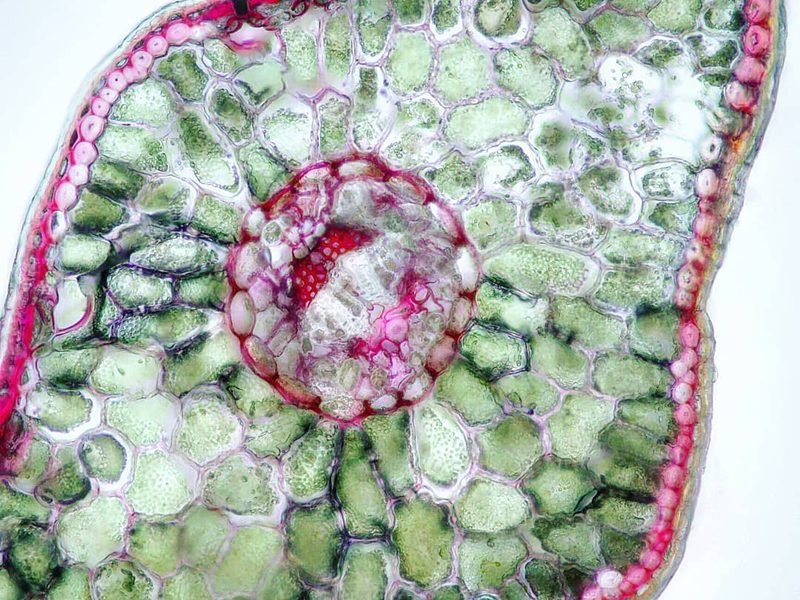
My PhD at Charles University in Prague looked at how grasses (Poaceae) use phenolic compounds (flavonoids, anthocyanins, and phenolic acids) as protective compounds against external stress.

My doctoral work led me to work on both agricultural grasses (barley) as well as wild grass dynamics in the relict arctic-alpine tundra in the Giant Mountains (Krkonoše) of the Czech Republic.

Undergraduate Research & Mentorship

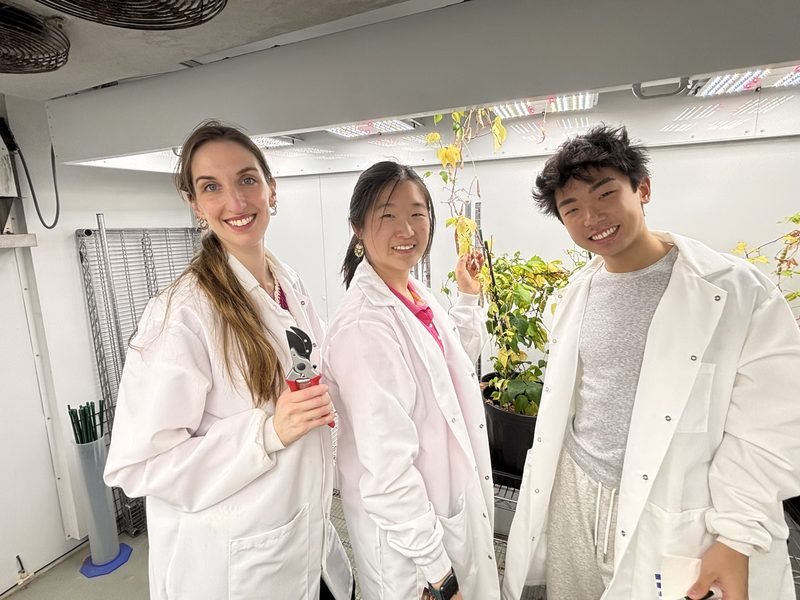
At NYU I have mentored eight undergraduate researchers on molecular, anatomical, and ecological projects. Students have co-authored publications, presented at undergraduate conferences, and received awards for their work. I help them design experiments, analyze data, and share what they find, so they can build the skills and confidence to pursue their own questions.

Undergraduate research projects

NYC Street Trees Biodiversity Project

  • Liam KakudaBiology and Environmental Studies
  • Terry ChangBiology
  • Mehr TankEnvironmental Studies
  • Lilly HurttEnvironmental Studies
  • Isabelle OwenEnvironmental Studies

Touch Project

  • Liam KakudaBiology and Environmental Studies
  • Annabelle WangBiology and Environmental Studies

Molecular Basis of Twining Project

  • Leo Malazo SemanaBiology
  • Annabelle WangBiology and Environmental Studies

Alnus Anatomy Project

  • Kelly FergusonEnvironmental Studies

Publications & Talks

Peer-reviewed publications

* Undergraduate co-author

Full list on ORCID.

Conference and professional talks

  • October 2026Cornell Cooperative Extension Living Landscape Conference, invited speaker, New York, NY
  • January 2026Biology Undergraduate Society, invited speaker, New York, NY
  • October 2025New York Botanical Garden Science & Humanities Seminar Series, New York, NY
  • July 2025Botanical Society of America, Botany Conference, Palm Springs, CA
  • June 2025Association for Tropical Biology and Conservation annual meeting, Oaxaca, Mexico
  • November 2024NYU Plant Labs Seminar Series, New York, NY
  • June 2024Botanical Society of America, Botany Conference, Grand Rapids, MI
  • September 2023Methods in Plant Science Conference, Srní, Czech Republic

Earlier talks in Prague, Turin, Sitges, and Philadelphia are listed in my CV.

Opportunities & Collaboration

Get in touch

Email: lmh8617@nyu.edu

ORCID: 0000-0002-7605-1379

Department of Environmental Studies, New York University